Opalised Wood
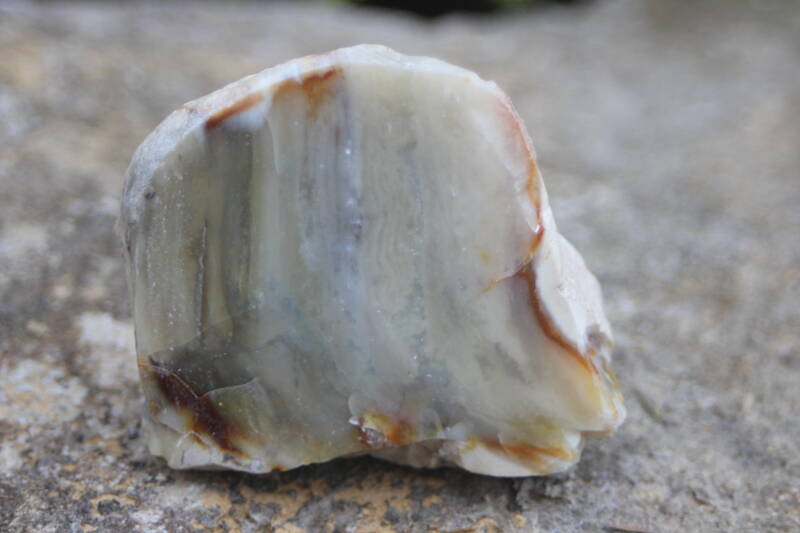
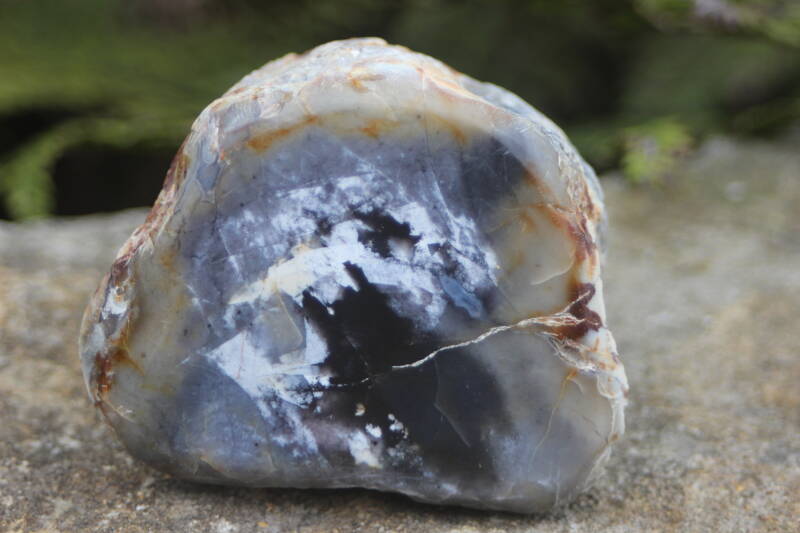
Nature’s Hidden Artwork: Discovering New Zealand's Opalized Wood
Opalized wood is one of the rarest and most visually stunning geological treasures hidden within New Zealand's landscapes. While most people associate petrified wood with heavy quartz or chalcedony, a select few ancient forests underwent a far more magical transformation. Over millions of years, organic wood cells were completely replaced by hydrated silica—better known as opal. The results are smooth, glass-like specimens that preserve organic rings while displaying a mesmerizing, waxy luster and occasional flashes of fiery color.
If you are a rockhound or a nature lover looking to uncover this hidden side of Aotearoa's geology, here is your ultimate guide to understanding and finding wood opal right here in New Zealand.
The journey of opalized wood begins with drama. Millions of years ago, violent volcanic eruptions or massive lahars rapidly buried ancient New Zealand forests under heavy layers of volcanic ash and sediment.
-
The Burial: Deep underground, the lack of oxygen protected the logs and branches from standard rot and decay.
-
The Seepage: Silica-rich groundwater, heated and enriched by volcanic activity, slowly seeped through the sediment and permeated the buried wood.
-
The Replacement: Rather than crystallizing into hard quartz, the silica settled into the wood cavities as a hydrated gel.
-
The Final Form: Over millenia, this gel hardened into common or precious opal, mapping out the wood’s original cellular template with staggering detail.
Top Hotspots for Wood Opal in New Zealand
While Australia is famous for its massive commercial opal fields, New Zealand boasts unique, volcanic pockets where incredible wood opal can be found.
-
The Coromandel Peninsula: This is arguably the premier region for North Island fossickers. The peninsula’s violent volcanic history—specifically the Miocene volcanic sequences—left behind perfect conditions. Rockhounds frequently report finding beautiful, smooth specimens of Opalized Wood from Coromandel Peninsula in local riverbeds and coastal breccias.
-
North Island’s West Coast: Coastal erosion often exposes incredible treasures. Hounds tracking the western coastlines have pulled out excellent West Coast Wood Opal showing beautiful, deep waxy textures beneath the surface.
-
Tinopai & The Kaipara Harbour: Further north, the localized ancient volcanic deposits around Tinopai are well-known to kiwi rockhounds for producing stunning silicified and opalized specimens.
-
The Catlins (Curio Bay): While the world-famous Petrified Forest Curio Bay consists mainly of heavy, quartz-silicified wood that you cannot legally collect, it serves as the ultimate proof of how massive volcanic floods transformed ancient kiwi forests 170 million years ago.
How to Identify It in the Wild
Distinguishing opalized wood from standard stone or quartz-petrified wood requires a sharp eye:
-
The Weight Test: Opalized wood is distinctly lighter than quartz or chalcedony petrified wood due to the water content trapped inside the opal structure.
-
Waxy Luster: Look for a smooth, resinous, or soapy surface texture rather than a gritty or crystalline one.
-
Conchoidal Fracture: If a piece is chipped, it will break with smooth, curved, shell-like surfaces—just like broken glass.
-
The Splash Test: Keep a spray bottle handy. Many pieces look like ordinary gray or brown stone when dry, but splashing them with water immediately activates their depth, clarity, and hidden internal patterns.